
How to attract bats to your backyard
Bats are an important part of a functioning ecosystem, and with natural habitats in decline they need our help now more than ever. You can welcome bats in your very own backyard by providing food, water, and shelter – creating bat habitat in even the smallest of spaces. In return, insectivorous bats will eat many of your unwanted yard and garden pests.
Plus, their nightly displays of aerial acrobatics are fascinating to observe.
Check out our Guide to Gardening for Bats and lists of regional native plants:
5 Easy WAYS TO WELCOME BATS TO YOUR YARD OR GREENSPACE
Bat Gardens Tips
1. Plant native plants and trees
Many bats eat night-flying insects, so you’ll want to plant flowers that either stay open through the night or bloom through the evening. Use native plants that match your region and site conditions, as they have evolved to attract native insects. Remember: native plants attract native insects that in turn provide bat food! Other things to consider:
Moth host plants – Bats love to eat moths, so planting host plants will ensure you have lots of these preferred bugs at your backyard bat buffet.
Trees – Trees are beneficial in so many ways. They don’t close their flowers at night, and they are host plants to many kinds of native insects. Oak trees especially are a boon to adding diversity and richness to any habitat. Added plus, trees create roosting options for cavity roosting bats and our solitary tree bats too!
Light-colored flowers – Moths and other nighttime pollinators are more attracted to flowers that are either white or very light in color.
The “stinkier” the better – Insects are also attracted to fragrant flowers and plants.
Check out our ongoing list of bat-friendly plants for regions around the United States.
2. Don’t tear down that dead tree
For many bat species, dead trees are like a comfy lodge or beach house – a great hangout spot. Some bats like to squeeze between the narrow, rough space between the tree bark and wood, while others seek out tree hollows to roost. If a dead tree does not pose a safety or property concern, consider leaving it standing. If you do need to fell a dead tree, you can always leave the wood on the ground to rot. It will still attract lots of different insects.
3. Keep it organic
Avoid the use of pesticides in your garden and the use of remedial timber treatment agents in structures. Both can lead to the poisoning of bats. Consider bats in your backyard and neighborhood as natural pest control. Insectivorous bats devour astonishing quantities of night-flying insects. In fact, pregnant or nursing mothers of some bat species may consume up to half their body weight in insects each night.
4. Keep cats indoors
Cats and bats don’t mix. Period. Cat attacks are one of the most common causes of bat (and bird) casualties. Keep your cat indoors at night, especially during summer months when bat mothers are feeding their young. Make certain your cat is indoors a half hour before sunset and a half hour after sunset when bats are most active. If your cat finds a bat, it may learn where the roost is located, which places an entire colony at risk.
5. Install a bat house
Setting up a bat house near your home is a great way to get involved in protecting bats. Plus, it provides you with the opportunity to observe bats’ fascinating behavior. Bat houses are great for certain species of bats, but they are a bit complicated and frustrating to get right. Bat gardens are a great way to get started helping bats, and they also provide habitat for other wildlife! Information on that below.
PROVIDE WATER
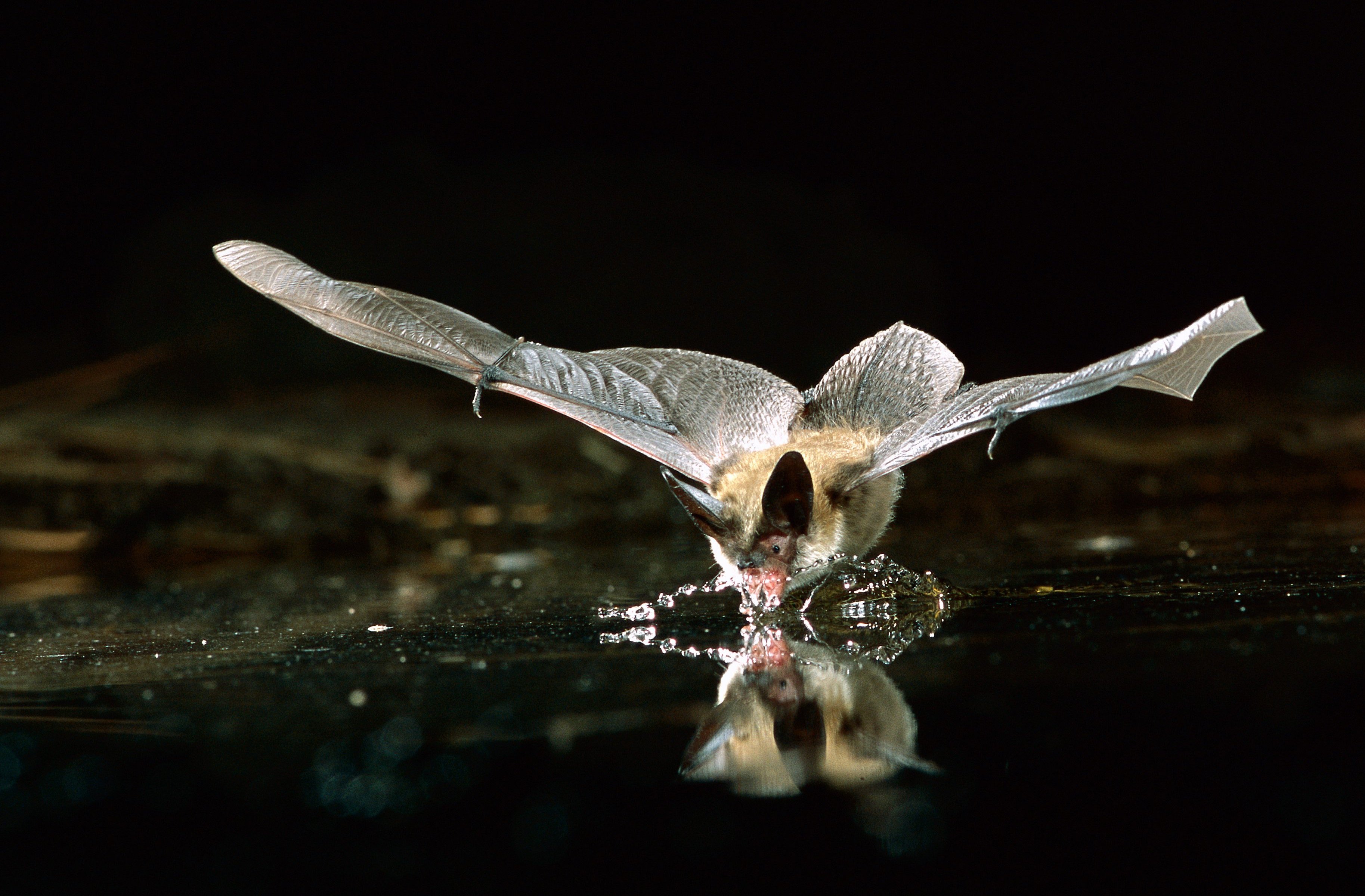
Providing water to bats is very important, but it’s not as simple as putting out a bird bath. Since bats drink on the wing (meaning they swoop down and drink while flying) they need at least 7-10 feet in length of water to drink successfully. If you have a pond or water trough, these can work well. Just make sure you put in an exit ramp or two in case bats (or other wildlife) fall in! Even a pool can act as a water source- although it’s unknown the effects chlorine can have. Ensure that the bats have a clear path to the water by clearing away vegetation and other clutter surrounding the water source.
Bat Houses
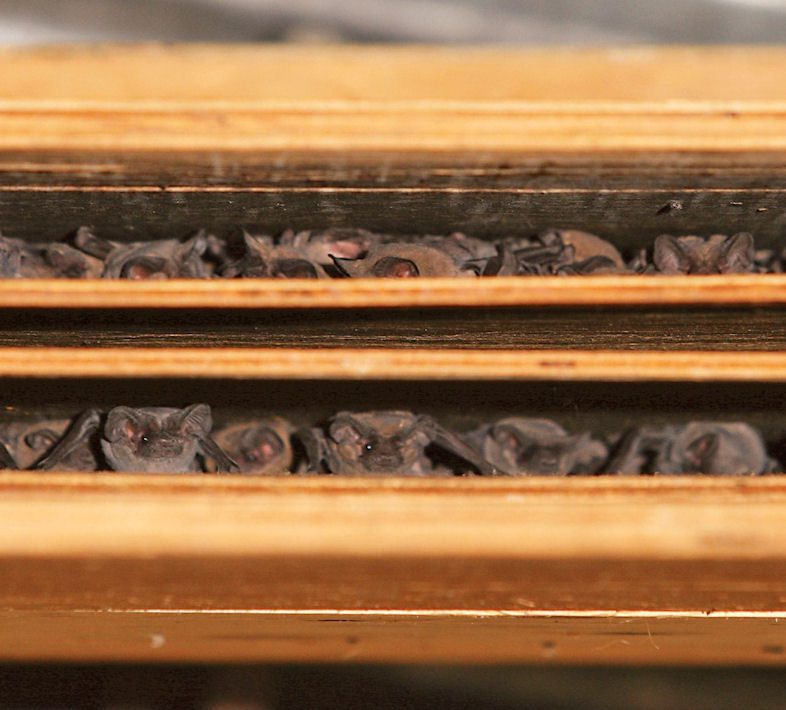
While vast areas of intact nature make the best homes for bats, loss of natural habitat threatens bats in many parts of the world, and strategies to support bats with additional foraging and roosting opportunities can be helpful.
Bat houses are complicated to get right. They can go unused for years, attract pests, and even harm bats when installed incorrectly, however, thoughtful construction and placement can increase their chances of being occupied, allowing you to observe bats and grow your understanding of these fascinating animals and the resources they need to survive.